How Water Intrusion Damages Foundations and Basements
Understanding how water intrusion damages foundations and basements helps homeowners protect their property, and local contractors specializing in waterproofing can provide effective solutions.
Understanding how water intrusion damages foundations and basements is essential for property owners concerned about long-term structural health. Water can seep through cracks, gaps, or porous materials, gradually weakening the foundation and leading to issues such as cracking, settling, or even structural failure. Basements are especially vulnerable because they are often below ground level, making them more susceptible to moisture infiltration that can cause mold growth, wood rot, and damage to stored belongings. Exploring this topic helps property owners recognize the importance of proactive measures to protect their investments and maintain a safe, dry living or working space.
Local contractors specializing in basement and foundation waterproofing offer practical solutions to address water intrusion problems before they escalate. These experts can assess the specific conditions of a property, identify potential vulnerabilities, and recommend effective waterproofing strategies tailored to the area’s climate and soil conditions. By understanding how water intrusion damages foundations and basements, property owners can make informed decisions about preventative measures that preserve the integrity of their property. Keep reading to learn more about common causes of water damage and how experienced service providers can help safeguard your home or business.
- homeowners noticing water seepage or dampness in their basements should seek waterproofing services to prevent further damage, with local contractors assessing and sealing foundation cracks. - when excessive moisture causes basement mold or musty odors, local service providers can install drainage systems and barriers to protect the foundation from water intrusion. - signs of foundation shifting or cracking often indicate water damage, prompting local pros to implement waterproofing solutions that reinforce and protect the structure. - after heavy rains or flooding, property owners may need waterproofing to address water pooling around the foundation, with local contractors applying moisture barriers and drainage improvements. - if basement walls show efflorescence or mineral deposits, local service providers can evaluate and install waterproofing measures to prevent ongoing water intrusion and foundation deterioration.
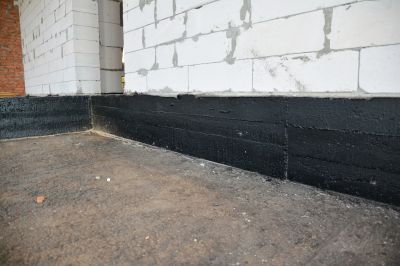
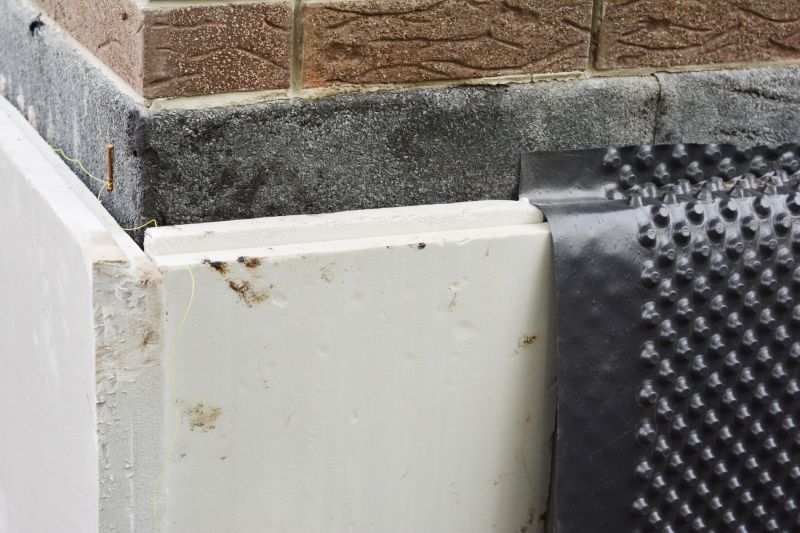
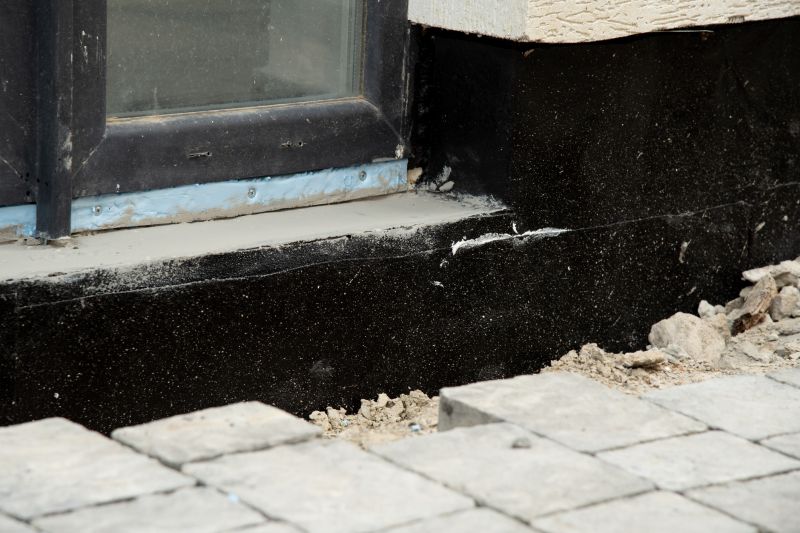
When people search for how water intrusion damages foundations and basements, they are often trying to understand the causes and consequences of water-related issues in their properties. This topic typically relates to concerns about excessive moisture seeping through walls or floors, leading to structural vulnerabilities or interior damage. Homeowners may be experiencing visible signs such as dampness, mold growth, or cracking walls, prompting them to seek information about how water can compromise the integrity of their foundation or basement. Understanding these risks helps homeowners recognize the importance of proper waterproofing measures and the role that local contractors play in preventing long-term damage.
Water intrusion can lead to a variety of problems that threaten the stability and safety of a property. When water seeps into a basement or foundation, it can cause soil erosion around the footing, weakening the support system. Over time, this may result in cracks, shifting, or settling of the foundation, which can be costly to repair and may even compromise the safety of the entire structure. Additionally, persistent moisture in basements can foster mold growth and wood rot, creating health hazards and damaging stored belongings. Addressing these issues early with the help of experienced waterproofing service providers can prevent further deterioration and protect the property's value.
The types of properties most commonly affected by water intrusion are typically those with basements or crawl spaces, especially in regions with significant rainfall or fluctuating groundwater levels. Older homes with less effective drainage systems or poorly maintained foundations are often more vulnerable. Commercial buildings with underground levels and residential properties built on clay soils or with inadequate waterproofing are also at higher risk. Regardless of the property type, understanding how water intrusion damages foundations and basements is crucial for homeowners planning repairs or improvements. Local contractors specializing in waterproofing can assess the specific vulnerabilities and recommend solutions tailored to each property’s needs.
Proper waterproofing strategies are essential in preventing water intrusion from causing damage to foundations and basements. These services include installing or repairing drainage systems, applying sealants to walls, and ensuring proper grading around the property to divert water away from the building. When water intrusion issues arise, experienced service providers can evaluate the property’s unique conditions and implement effective measures to stop water from penetrating the structure. Connecting with local contractors who specialize in basement and foundation waterproofing ensures that homeowners receive professional guidance and solutions designed to protect their property over the long term.
Foundation Repair Projects - these projects involve addressing structural issues caused by water damage, requiring expertise in waterproofing and soil stabilization techniques similar to basement waterproofing services.
Drainage System Installations - installing proper drainage solutions helps prevent water intrusion that can lead to foundation and basement damage, utilizing planning and excavation skills common to waterproofing work.
Basement Finishing and Remodeling - these projects often include waterproofing measures to protect against water intrusion, making the skills used in basement waterproofing highly relevant for ensuring long-term durability.
Crawl Space Encapsulation - encapsulation involves sealing and insulating crawl spaces to prevent moisture buildup, a process closely related to managing water intrusion and protecting foundations.
Waterproofing Membrane Applications - applying waterproof membranes to foundation walls or basement floors is a specialized task that overlaps with the techniques used in foundation waterproofing services.
Soil Stabilization and Drainage Planning - these projects focus on managing water flow around structures, requiring planning and soil management skills similar to those used in preventing water intrusion damage.
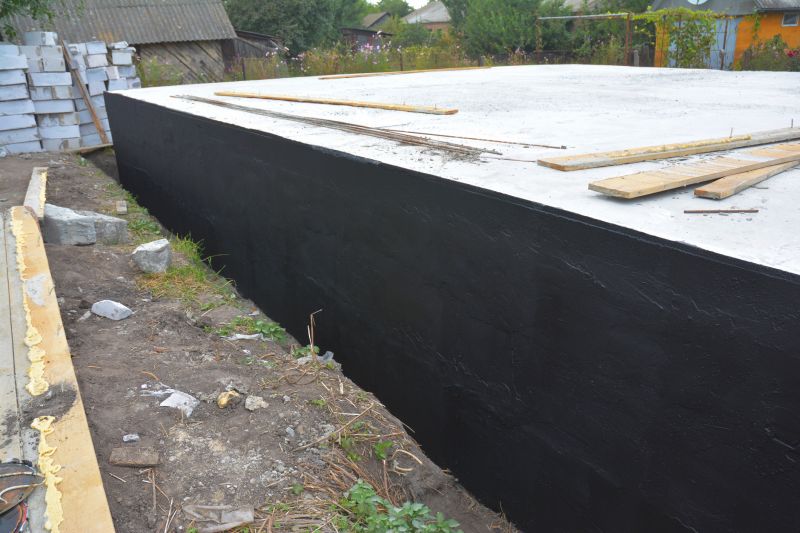
When comparing local contractors for basement and foundation waterproofing, it is important to assess their experience with similar projects. Homeowners should inquire about the types of water intrusion issues they have handled and the methods they have used to prevent damage caused by water infiltration. A contractor with a history of successful waterproofing work on homes with comparable foundation types and basement conditions can provide a better indication of their ability to address specific concerns related to water damage. This experience helps ensure that the chosen service provider understands the unique challenges of water intrusion and can recommend solutions tailored to the home’s needs.
Clear written expectations are essential when evaluating potential service providers. Homeowners should seek detailed descriptions of the scope of work, including the specific waterproofing techniques that will be used, the materials involved, and the projected outcomes. Having this information in writing helps prevent misunderstandings and provides a basis for comparing different contractors’ approaches. It also allows homeowners to ask informed questions and ensure that the waterproofing services will adequately address issues related to water intrusion and protect the foundation and basement from future damage.
Reputable references and good communication are key factors in selecting a reliable service provider. Homeowners can ask for references from past clients who had similar waterproofing projects and inquire about their satisfaction with the work performed. Additionally, observing how promptly and clearly the contractor communicates during the initial consultation can provide insight into their professionalism and willingness to address questions or concerns. Effective communication ensures that homeowners stay informed throughout the project, understand the process, and feel confident that the waterproofing work will be completed to meet the home’s needs for preventing water-related damage to the foundation and basement.
Property owners often search for how water intrusion damages foundations and basements when they are planning practical projects around their homes and businesses. Local pros provide Basement and Foundation Waterproofing services for everyday jobs and straightforward project options.
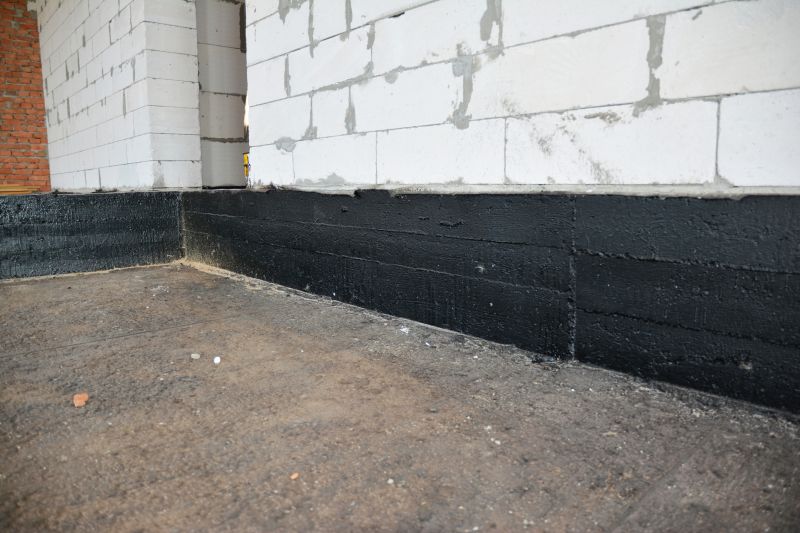
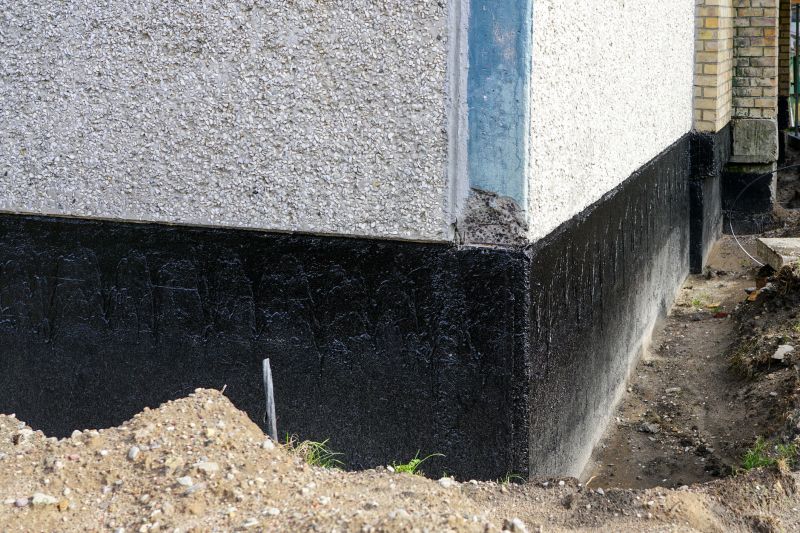
Water intrusion can cause significant damage to foundations and basements, especially during heavy rains or rapidly melting snow. When water seeps into cracks or porous areas of a foundation, it can lead to structural weakening over time, resulting in cracks, shifting, or even settling. Basements are particularly vulnerable since they are partially or fully below ground level, making them prone to flooding, dampness, and mold growth if water is allowed to penetrate unchecked. Property owners in the area often seek out waterproofing services to prevent these issues, ensuring their homes remain stable and dry.
Many local contractors offer foundation and basement waterproofing solutions designed to address water intrusion problems effectively. These services typically involve installing drainage systems, sealing cracks, and applying waterproof barriers to keep moisture out. Homeowners noticing signs like musty odors, efflorescence, or uneven floors may consider reaching out to trusted service providers for assessment and necessary repairs. Proper waterproofing not only helps preserve the integrity of the structure but also reduces the risk of costly repairs down the line.
How does water intrusion damage foundations and basements? Water intrusion can weaken foundation walls, cause cracking, and lead to settling issues. In basements, it may result in mold growth, rotting materials, and structural deterioration over time.
What are common signs of water damage in foundations and basements? Signs include damp or wet walls, mold or mildew, musty odors, cracking or bowing walls, and water stains on floors or ceilings.
How can waterproofing services help prevent water damage? Waterproofing services create barriers to water entry, repair existing damage, and improve drainage around the property to protect foundations and basements from future water intrusion.
Why is it important to address water intrusion early? Early intervention can prevent extensive structural damage, reduce repair costs, and avoid health issues related to mold and moisture buildup in basements.
What types of waterproofing solutions do local contractors typically offer? Contractors often provide interior and exterior waterproofing, sump pump installation, sealing cracks, and drainage system improvements to keep water out of foundations and basements.
Identify water entry points - inspecting basements for cracks or gaps can help property owners determine where water might seep in, enabling them to plan for waterproofing services from local contractors.
Improve drainage around the property - implementing proper grading and gutter systems can reduce water accumulation near foundations, which local service providers can help optimize.
Install foundation waterproofing barriers - applying sealants or membranes can prevent water intrusion that causes damage to foundations and basements, with local pros providing expert installation.
Maintain basement dryness - ensuring sump pumps and drainage systems are functioning properly can protect against water damage, and local contractors can assist with system upgrades or repairs.
If you are thinking about how water intrusion damages foundations and basements for a property, this guide is meant to help you understand this topic, the typical project types, and how different options might fit your plans.
When you are ready, you can use the quote form on this page to share a few details about your project. From there, local pros can review the basics and follow up with options that match what you have in mind.